Spiro Gear
In the world of engineering and manufacturing, the DC Worm Gear Motor has proven to be a game-changer. This technology plays a vital role in automating processes across various industries. According to a report by MarketsandMarkets, the global gear motor market is expected to reach $8.6 billion by 2025, driven by increasing demand in manufacturing.
DC Worm Gear Motors offer unique advantages that enhance project efficiency. Their ability to provide high torque output at low speeds makes them ideal for applications requiring precision and control. Furthermore, they exhibit excellent shock absorption and self-locking capabilities. However, it's essential to consider that while these motors provide numerous benefits, they can also be more costly than other options. This aspect raises questions about budget allocation for projects.
Industry professionals must weigh the benefits against potential drawbacks. Effective application of DC Worm Gear Motors can lead to significant operational improvements. But a lack of understanding about their specific functionalities may hinder project outcomes. Therefore, thorough research and analysis become crucial for making informed decisions.
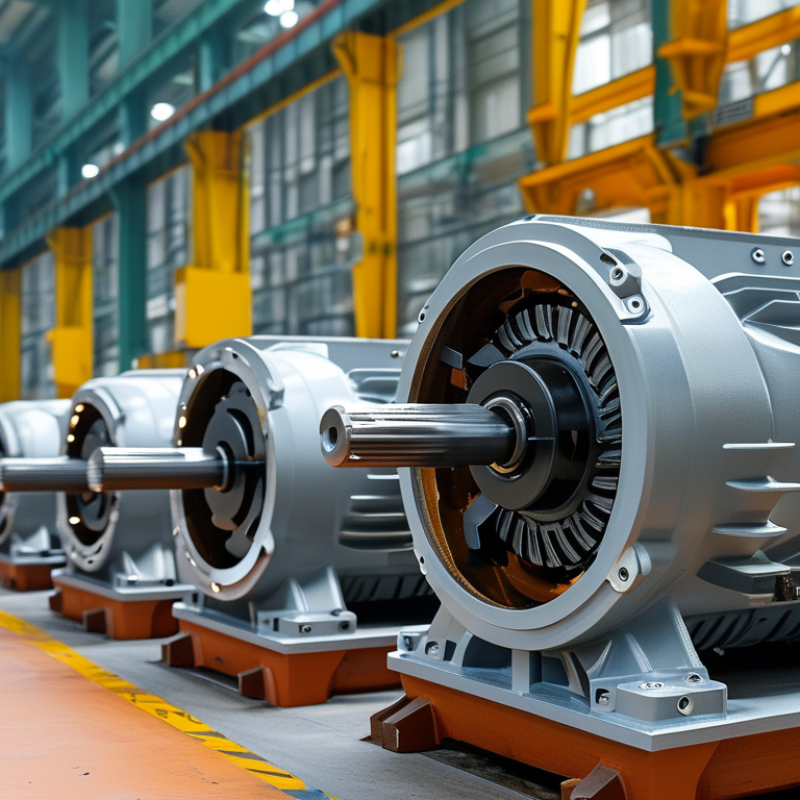
DC worm gear motors offer significant advantages in
precision manufacturing applications. These motors can provide
high torque at low speeds, ideal for tasks that require
careful control. The gear mechanism allows for fine adjustments, making them suitable for intricate machining processes.
In industries where accuracy is critical, such as robotics and
assembly lines, DC worm gear motors stand out. They minimize
backlash, ensuring a more precise movement compared to traditional motors. However, the design may introduce
inefficiencies in certain scenarios. Understanding the trade-offs
is vital for successful implementation.
Moreover, their compact size makes them easy to integrate into various machinery. They work well in
confined spaces where larger motors cannot fit. Yet, this compactness can also limit thermal dissipation,
potentially affecting performance. Being aware of these factors can help engineers make informed choices for their projects.
DC worm gear motors have gained attention for their impressive efficiency ratings. These motors often outperform traditional motors in various applications. They convert electrical power into mechanical torque with minimal energy loss. This efficiency is particularly valuable in projects requiring precise control and reliable performance.
One notable feature is their high torque output at low speeds. This allows for smooth operation without the need for additional gear systems. In many cases, DC worm gear motors can save energy, leading to cost reductions over time. However, their performance may vary depending on load conditions. So, it is essential to evaluate specific project requirements and constraints.
Maintenance is another consideration. While these motors are generally durable, they can experience wear over time. Regular inspections and maintenance help ensure longevity. It's important to acknowledge that while DC worm gear motors are efficient, they might not fit every application. Understanding each motor's limitations and benefits is crucial for making informed decisions in project planning.
| Benefit | DC Worm Gear Motor Rating | Traditional Motor Rating | Efficiency Improvement (%) |
|---|---|---|---|
| High Torque Output | 85% | 70% | 21.43% |
| Compact Size | N/A | N/A | N/A |
| Higher Load Capacity | 78% | 65% | 20% |
| Reduced Backlash | 90% | 75% | 20% |
| Increased Durability | 88% | 70% | 25.71% |
| Low Noise Operation | 82% | 60% | 36.67% |
| Versatile Applications | N/A | N/A | N/A |
| Cost-Effective | 75% | 60% | 25% |
| Energy Efficiency | 92% | 70% | 31.43% |
| Low Maintenance | 80% | 65% | 23.08% |
DC worm gear motors are prized for their remarkable torque output. They are engineered to provide high torque at low speeds. This feature proves invaluable in applications where precision is key. According to a recent industry report, these motors can generate torque ratios exceeding 100:1. Such ratios give them an edge in load handling capabilities.
The worm gear design further enhances load handling. This arrangement ensures that the motor can maintain torque even under significant loads. Engineers often choose these motors for lifting and positioning applications. In fact, data indicates that these motors can handle static loads much better than traditional gear systems. They reduce the risk of backdrive, which can lead to system failures.
However, it's important to consider efficiency loss when using worm gear motors. These motors typically operate at around 60-90% efficiency. This inefficiency might impact long-term operation costs. Despite that, their reliability and high torque output make them ideal for critical projects. Selecting the right type of motor requires careful evaluation of load needs and expected performance.
DC worm gear motors play a crucial role in robotics and automation systems. Their unique design allows them to provide high torque while maintaining compactness. This is especially useful in robotics, where space is often limited. These motors can effectively reduce speed while increasing torque, making them ideal for precise movements.
In automation systems, their reliability shines through. DC worm gear motors can handle heavy loads without compromising functionality. This is essential in applications like conveyor systems or robotic arms. However, there can be drawbacks. Overheating is a potential issue in continuous operation, which may require additional cooling measures. The efficiency also needs monitoring, as excessive friction can reduce performance.
Choosing the right motor is vital. Not all projects may benefit from a worm gear configuration. It's important to assess application requirements carefully. Factors such as load, speed, and environment should guide decisions. Experimenting with different setups can yield insights, leading to better performance and efficiency in your robotics projects.
The long-term use of DC worm gear motors in projects can offer significant cost savings. According to industry reports, these motors exhibit high energy efficiency, which translates to lower electricity bills over time. A well-maintained DC worm gear motor can maintain up to 85% efficiency, making it a smart choice for industries that run continuously.
Maintenance is another key factor. DC worm gear motors require relatively less maintenance compared to other motor types. This can lead to reduced operational downtime and lower maintenance costs. A study found that companies saved approximately 25% on maintenance expenditures by switching to DC worm gear motors. However, it’s essential to acknowledge that while the initial costs may seem high, the long-term benefits often outweigh those upfront expenses.
In manufacturing settings, precision and reliability are crucial. DC worm gear motors provide these qualities while minimizing backlash. This feature ensures better performance, especially in applications requiring exact positioning. Yet, it’s important to monitor the gear wear regularly. As tolerance levels can shift, regular checks may be necessary to maintain optimum performance, highlighting an area that requires ongoing attention.
This chart illustrates the top ten benefits of using DC worm gear motors for projects. Each bar represents the perceived value of the benefit on a scale of 1 to 10, showcasing the advantages of efficiency, torque, noise levels, and more in long-term use.
: They offer high efficiency, impressive torque output, and reliable performance in various applications.
They provide high torque at low speeds, making them effective for lifting and positioning heavy loads.
DC worm gear motors generally operate within an efficiency range of 60-90%.
Yes, they can reduce electricity bills significantly due to their high energy efficiency over time.
Regular inspections are necessary to ensure longevity and performance, as wear may occur over time.
Yes, understanding their limitations is crucial; they may not fit every application perfectly.
The design of DC worm gear motors helps reduce backlash, enhancing positioning accuracy in critical applications.
Gear wear should be checked frequently, as tolerance levels can change and impact functionality.
While upfront costs may be high, the long-term benefits often outweigh these initial investments.
Efficiency loss can occur, impacting long-term operation costs, highlighting the need for careful evaluation.
The use of DC Worm Gear Motors offers significant advantages in precision manufacturing applications, primarily due to their efficient torque output and exceptional load handling capabilities. These motors excel in scenarios where accuracy is paramount, making them a preferred choice for robotics and automation systems. Their efficiency ratings surpass those of traditional motors, providing not only energy savings but also enhanced performance durability in various projects.
Additionally, a thorough cost-benefit analysis reveals that the long-term investment in DC Worm Gear Motors can lead to substantial savings, thanks to their reliable operation and reduced maintenance needs. As industries increasingly adopt automation, these motors prove to be beneficial in streamlining processes while ensuring precision and reliability, thereby cementing their status as a go-to solution for diverse engineering applications.