Spiro Gear
In today's industrial landscape, DC motors play a critical role across various applications. These motors are essential in sectors like automation, robotics, and automotive. A reliable DC motor can enhance efficiency and productivity, making it indispensable for businesses.
With many suppliers worldwide, selecting the right one can be overwhelming. Some suppliers boast expertise and quality, while others may lack transparency or consistency. It's crucial to evaluate the reputation and track record of suppliers. Recommendations and reviews drive informed decisions in choosing a partner.
Understanding the market trends and innovations in DC motors can provide a competitive edge. Not all suppliers meet industry standards, leading to challenges. Engaging with reputable companies can mitigate risks and ensure quality performance. Global buyers must navigate this complex landscape wisely, focusing on supplier reliability and product excellence.
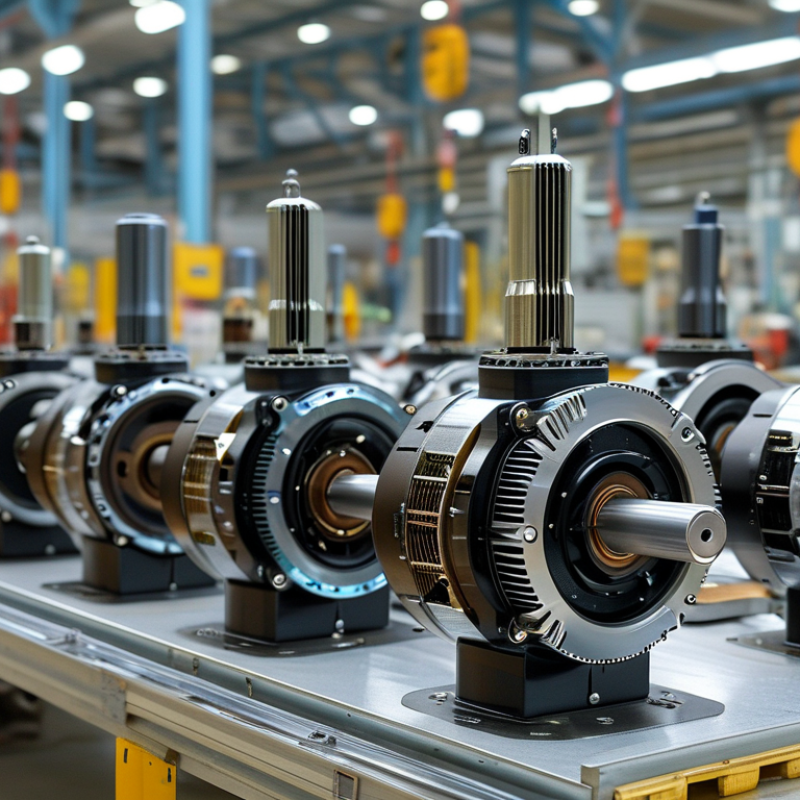
DC motors play a pivotal role in various applications, from robotics to industrial equipment. Their ability to provide high torque and precise speed control makes them indispensable in many sectors. According to a report by MarketsandMarkets, the global DC motor market is projected to grow at a CAGR of approximately 5.7% between 2020 and 2025, reflecting the increasing adoption of automation across industries.
The design of DC motors has evolved significantly, incorporating advancements such as brushless technology. Brushless DC motors (BLDC) offer greater efficiency and longer lifespans compared to traditional brushed motors. This shift is driven by the demand for sustainable solutions that reduce energy consumption. However, BLDC motors can be more complex to control, requiring sophisticated electronics for optimal performance. This complexity can pose challenges for manufacturers seeking cost-effective solutions.
Applications of DC motors include electric vehicles, power tools, and home appliances. Each application has unique requirements, influencing factors like size, torque, and efficiency. Engineers often face trade-offs between performance and cost, leading to innovative designs. For instance, optimizing motor efficiency can increase upfront expenses but lead to significant savings in energy costs over time. Understanding these dynamics is crucial for stakeholders in the DC motor supply chain.
When selecting top DC motor suppliers, buyers should consider several key factors. Quality is paramount. Look for suppliers with extensive experience in the industry. A solid track record helps indicate reliability. Certifications and standards compliance can enhance credibility as well. Make sure to verify these aspects thoroughly.
Another crucial aspect is customer service. Good communication can prevent misunderstandings. Responsive suppliers can adapt to changing needs. It's also vital to assess their ability to handle volume demands. Some suppliers may struggle with larger orders, impacting delivery time.
Cost is an important factor, but it shouldn't be the only consideration. Compare pricing, but also evaluate the overall value offered. A cheaper option may lack durability or support. Reflect on your long-term needs and weigh the pros and cons carefully. The right choice balances quality, service, and cost effectively.
North America is home to several prominent DC motor manufacturers. Their innovations impact various industries, including robotics, automotive, and consumer electronics. These manufacturers excel in producing a range of DC motors, tailored to meet varying needs. The competitive landscape is fueled by advancements in technology, ensuring high efficiency and reliability. However, with great innovation comes the challenge of sustainability. Many manufacturers are striving to minimize their environmental impact.
The market dynamics encourage a diverse array of products. Manufacturers focus on parameters like torque, speed, and size. Buyers often look for these specifications to match their specific applications. Even though the offerings are vast, not every solution is one-size-fits-all. Companies must carefully evaluate their needs against available options. Adopting a trial-and-error approach might be necessary for achieving the best performance.
Collaboration between manufacturers and buyers can drive further advancements. Open communication is essential to identify gaps and opportunities. While some manufacturers lead in technology, others excel in customer service or customization. This variety allows buyers to explore unique pathways. However, relying solely on vendor reputation is not always advisable. Each company brings different strengths and weaknesses, making thorough research crucial.
In recent years, the demand for DC motors has surged, particularly in Europe and Asia. According to industry reports, the DC motor market is projected to grow at a CAGR of 6% from 2023 to 2028. This growth reflects the increasing use of DC motors in automotive, industrial, and residential applications. Europe accounts for a significant share of this market, driven by advancements in automation and robotics.
In Asia, countries like China and Japan are leading the wave of innovation. These nations are investing heavily in manufacturing technologies and electric vehicle production, which rely on efficient DC motors. Industry analysts indicate that Asia's market will see robust growth due to rising industrial activities and a push for renewable energy solutions.
Tips for buyers include assessing the supplier's technical expertise. It's crucial to evaluate how well suppliers adapt to changing technology. Additionally, consider their manufacturing capabilities to ensure timely delivery and quality. Global buyers should remain aware of fluctuating raw material prices. This can impact the overall cost and availability of DC motors.
The DC motor supplier market is evolving rapidly. This shift is driven by technological advancements and increasing demand for efficient solutions. Electric vehicles and renewable energy technologies are major contributors. Suppliers are focusing on eco-friendly production methods to meet these needs. Sustainable practices are becoming essential, even for traditional manufacturers.
Innovation in design and functionality is on the rise. Integration of smart technology and IoT is reshaping how motors operate. Industry players are investing in research to enhance performance. There is an ongoing push for smaller, more powerful motors. This trend highlights the need for suppliers to adapt quickly.
While many suppliers are stepping up, some may struggle with these changes. Not all companies have the resources to innovate. Others may resist altering established practices. As the market shifts, it's crucial for suppliers to recognize these dynamics. A willingness to embrace new ideas will be vital for survival.
| Supplier Region | Specialization | Market Share (%) | Supply Chain Efficiency (1-10) | Customer Satisfaction Rating (1-5) |
|---|---|---|---|---|
| North America | Industrial Applications | 30% | 8 | 4.5 |
| Europe | Consumer Electronics | 25% | 9 | 4.7 |
| Asia-Pacific | Automotive Industry | 35% | 7 | 4.3 |
| Latin America | Renewable Energy | 5% | 6 | 3.8 |
| Middle East | Telecommunication | 5% | 5 | 4.0 |
: DC motors provide high torque and precise speed control. They are essential in robotics and industrial equipment.
There is a shift towards brushless technology. Brushless motors offer greater efficiency and longer lifespans.
Brushless motors require complex electronics for optimal performance. This complexity can increase production costs.
DC motors are used in electric vehicles, power tools, and home appliances. Each application has unique performance requirements.
Engineers often weigh performance against expenses. Optimizing motor efficiency can lead to higher upfront costs but saves on energy later.
Open communication helps identify gaps and collaboration opportunities. Each company has unique strengths, requiring thorough evaluation.
There's a growing demand for eco-friendly production. Innovation and integration of smart technology are also trending.
Suppliers must be willing to innovate and adapt. Recognizing market dynamics is crucial for survival.
Some suppliers may lack resources for innovation. Resistance to change could lead to missed opportunities.
Not every solution fits all applications. Understanding each vendor's strengths and weaknesses is critical for making informed choices.
The article "Top DC Motor Suppliers for Global Buyers" provides an insightful overview of DC motor technology, highlighting its diverse applications across industries. It emphasizes the importance of selecting the right suppliers based on crucial criteria, such as product quality, technological innovation, and customer support. Furthermore, it discusses notable DC motor manufacturers in North America, as well as prominent suppliers in Europe and Asia, showcasing the global landscape of the DC motor market.
Additionally, the article forecasts future trends in the DC motor supplier market, including advancements in automation and energy efficiency that are likely to shape the industry's direction. By understanding these key aspects, global buyers can make informed decisions when sourcing DC motors to meet their specific operational needs.
