Spiro Gear
When it comes to selecting an AC Shaded Pole Gear Motor, export professionals need reliable guidance. The right motor can enhance efficiency in various applications. However, choosing the best product can be complicated.
Many factors influence this decision. Quality, performance, and price are key considerations. It's vital to understand the motor's specifications and how they fit your needs. For example, the torque and speed ratings should align with your machinery requirements. Additionally, evaluating the manufacturer’s reputation is crucial. A trusted source often indicates quality assurance.
Yet, some challenges persist in the buying process. Limited options or ambiguous features may lead to confusion. It’s essential to analyze your specific needs deeply. Reflecting on past experiences can help in making informed choices. When you understand the intricacies of AC Shaded Pole Gear Motors, you increase your chances of success in your exports.
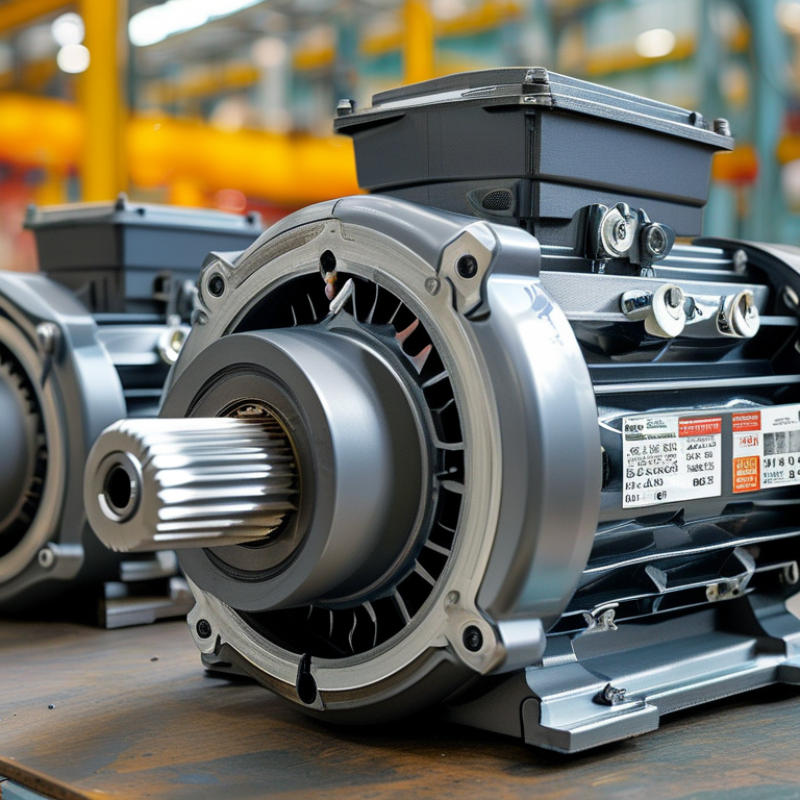
The AC shaded pole gear motor market is evolving quickly. In 2026, the global demand for these motors is projected to surpass $2.5 billion. This growth is driven by their efficiency in energy consumption and low maintenance requirements. Demand from industries like HVAC, home appliances, and automotive continues to rise, highlighting the versatility of these motors.
Current market reports indicate that Asia-Pacific region leads this trend. Countries like China and India are seeing increased production and consumption. In fact, over 40% of the global supply comes from Asia. The rise of automation in manufacturing also contributes to this surge. Factories favor shaded pole gear motors for their reliability and performance in small to medium applications.
Despite the positive outlook, there are challenges. Fluctuations in raw material prices can affect production costs. Environmental regulations are tightening, impacting manufacturing practices. Exporters must remain aware of these dynamics. Investing in R&D can lead to innovations, making products compliant and improving efficiency. It's crucial to adapt quickly to maintain a competitive edge.
When considering shaded pole motors, several key technical specifications are vital. These motors, often favored for their simplicity, come with distinct characteristics. One important specification is the voltage rating. Ensure that the motor matches your application's voltage needs. Mismatched voltage can lead to inefficiencies or even motor failure.
Another significant aspect is the torque rating. Shaded pole motors usually provide low starting torque. This characteristic limits their suitability for certain applications. It's crucial to assess whether higher torque is necessary for your project. Additionally, consider the motor's speed options. Many shaded pole motors operate at constant speeds. This feature can be both an advantage and a limitation, depending on the intended use.
Lastly, pay attention to the motor's efficiency rating. While shaded pole motors are simple and cost-effective, they are often less efficient than other types. This factor can affect long-term operational costs. Reflect on these specifications carefully. Your decision should align with your operational standards and goals.
When evaluating AC shaded pole gear motors, a comparative analysis of leading brands reveals distinct performance differences. Recent industry reports indicate that these motors are favored for their simplicity and durability. However, efficiency varies significantly across brands, impacting energy consumption. Some reports suggest that up to 30% of energy loss can occur due to suboptimal motor designs.
Reliability is a crucial factor in motor selection. Certain brands consistently receive high ratings for longevity and performance stability. In contrast, others face scrutiny due to frequent failures or overheating issues. Research indicates that users tend to prioritize motors with robust insulation and thermal protection features, as these contribute to overall safety and reliability.
In the competitive landscape, pricing remains a substantial consideration. While some models are competitively priced, others may lead to higher operational costs over time. It's essential for exporters to analyze total cost of ownership, beyond just initial purchase price. Some market analysts suggest that investing in slightly higher-quality motors can yield better returns over an extended period. Engaging with detailed performance data will aid in making informed decisions, ultimately enhancing product offerings in global markets.
The demand for AC shaded pole gear motors is shaped by several key industry trends. Recent reports indicate a 7% annual growth in the HVAC sector, where these motors are critical. Increased energy efficiency standards drive manufacturers to adopt these motors. Their simple design offers reliability and low maintenance, appealing to various applications.
Another trend is the automation of industries, pushing the need for compact and energy-efficient motors. The rise in consumer electronics also plays a significant role. Research shows that the market for small appliances is expanding, which, in turn, drives the demand for shaded pole gear motors. Manufacturers focus on enhancing performance while minimizing cost and footprint.
However, challenges arise in the form of supply chain disruptions. Material shortages can delay production. Exporters must navigate these complexities, balancing quality with affordability. Understanding these dynamics is essential for making informed purchasing decisions.
When exporting AC shaded pole gear motors, it's crucial to understand the export regulations. Each country has its own compliance standards. Exporters must ensure their motors meet both local and international quality requirements. This will help avoid delays and fines.
Tips: Always check the specific documentation needed. This may include certificates of origin or safety compliance. Incomplete paperwork can stall shipments.
Additionally, different regions may have unique safety and efficiency standards. Understanding these can help exporters navigate the complexities of international trade. Some standards could require adjustments in design or materials. It’s important to stay informed about any changes.
Tips: Join industry forums or groups. Engaging with other exporters can provide insights into best practices. Sharing experiences can reveal common pitfalls worth avoiding.
C shaded pole gear motors known for?
Efficiency varies significantly, leading to potential energy loss up to 30% with suboptimal designs.
Reliable motors ensure longevity and performance stability, which enhances user satisfaction.
Users often prefer motors with robust insulation and thermal protection to prevent failures.
It's essential to analyze operational costs over time, not just the initial purchase price.
Rising energy efficiency standards and automation in industries are increasing demand for these motors.
Compact motors offer energy efficiency, which is crucial for small appliances and modern applications.
Supply chain disruptions and material shortages can delay motor production significantly.
Higher-quality motors may lead to better long-term returns, despite higher initial costs.
They encourage the adoption of shaded pole gear motors for better performance and lower maintenance.
The article "2026 Top AC Shaded Pole Gear Motor Buying Guide for Exporters" provides a comprehensive overview of the market for AC Shaded Pole Gear Motors, focusing particularly on exporters. It details key technical specifications that should be considered when selecting these motors, ensuring that exporters are well-informed about performance and efficiency standards.
Additionally, the article presents a comparative analysis of leading brands, helping buyers identify the best options in the market. It highlights current industry trends that are driving demand for AC Shaded Pole Gear Motors, such as advancements in energy efficiency and automation in manufacturing. Finally, the guide outlines essential export regulations and compliance standards relevant to AC motor equipment, empowering exporters to navigate international markets effectively.
