Spiro Gear
When selecting the ideal "Hot Sale Gear Motor," understanding the diverse options available is crucial. Dr. Emily Carter, a leading expert in mechanical engineering, emphasizes, "Choosing the right gear motor can significantly affect operational efficiency."
Gear motors are essential in various applications, from industrial machinery to consumer products. Their design impacts performance, durability, and energy consumption. As demand rises, many manufacturers flood the market with options. This abundance creates both opportunities and challenges.
Choosing a "Hot Sale Gear Motor" requires careful consideration of your specific needs. Factors like load requirements, speed, and torque are vital for making the right decision. Rushing into a purchase could lead to inefficiencies and increased costs. It's essential to weigh all options and reflect on the long-term implications of your choice.
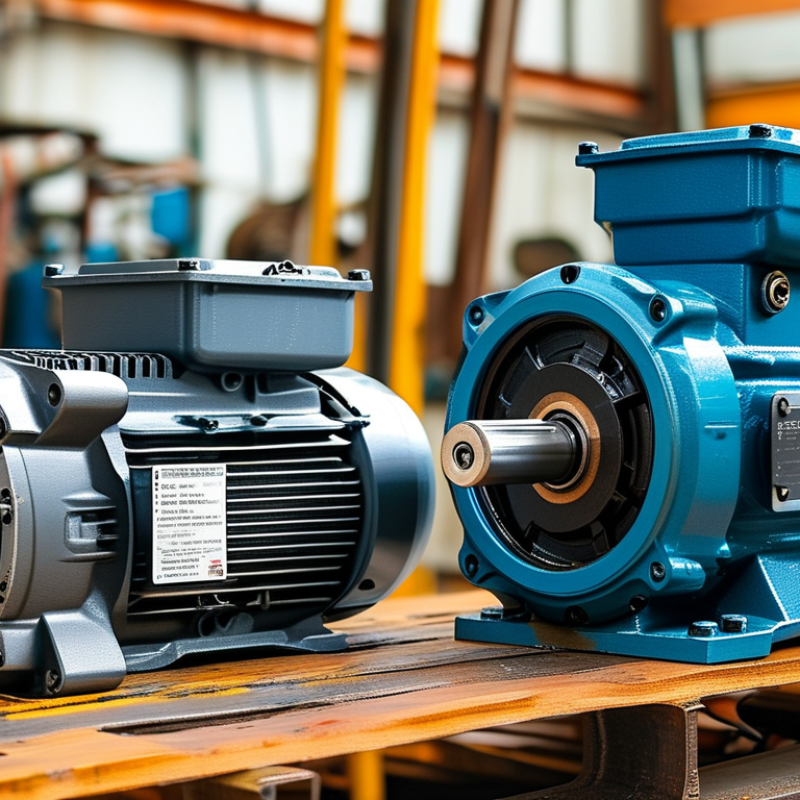
Gear motors are vital in various industries, powering countless applications. Understanding the different types and their uses is crucial for choosing the right one. They come in several forms, such as DC, AC, and stepper motors. Each type has unique benefits depending on the application. For example, DC motors are popular in robotics due to their precise control and speed. In contrast, AC motors are often used in industrial settings for their reliability and efficiency.
When selecting a gear motor, consider the torque and speed your application requires. Some industries need high torque for heavy loads, while others prioritize speed. Estimate the operational environment as well. Temperature, humidity, and exposure to dust can affect motor performance. Thus, ensuring a suitable gear motor can save resources and optimize productivity.
**Tips:** Always check the specifications before finalizing your choice. A mismatch can lead to failures and increased costs. Testing the motor in real-world scenarios can provide valuable insights. Don't overlook feedback from other users. Their experiences can guide you to more informed decisions. It’s important to reflect on the chosen motor's long-term viability. Look for solutions that can adapt to future needs.
Selecting the right gear motor involves understanding key specifications.
Torque plays a crucial role.
It represents the motor's ability to perform tasks.
A report from the National Institute of Standards and Technology (NIST) highlights that optimizing torque can improve efficiency by 25%.
This means a higher torque rating often correlates with better performance.
Speed is another critical factor.
Gear motors come in various speed ranges.
A study by the Electric Power Research Institute (EPRI) notes that adjusting speed can enhance application suitability.
Motors with variable speed capabilities can adapt to different tasks, offering flexibility.
Additionally, consider the motor's size and weight.
Bulkier motors can impede installation and increase costs.
A lighter motor often translates to easier integration into systems.
Manufacturers are increasingly focusing on compact designs.
Yet, this focus can lead to trade-offs in performance.
Choosing a gear motor requires careful thought.
Each specification impacts overall performance and suitability for your needs.
When selecting a gear motor, understanding torque and speed is crucial. Torque is the rotational force your motor can provide. High torque is necessary for heavy loads. If you’re moving gears, belts, or chains, assess the torque needed for maximum efficiency. Too little torque can lead to inadequate performance. Too much, and you may experience component damage.
Speed is equally important. It indicates how fast the motor runs. Consider the required speed for your specific application. Some tasks demand quick motion, while others need precision at lower speeds. Gear ratios can modify speed, allowing for versatility. However, not all gear motors deliver the same performance. Excess speed can lead to overheating and wear.
Balancing torque and speed is an ongoing challenge. It’s essential to analyze the specific needs of your project. Often, compromises are necessary. For instance, increasing torque may lower speed. The choice ultimately impacts operational efficiency. Each application presents unique requirements. Carefully evaluate before committing to a gear motor.
| Motor Type | Torque (Nm) | Speed (RPM) | Power (W) | Efficiency (%) |
|---|---|---|---|---|
| AC Gear Motor | 10 | 1500 | 500 | 85 |
| DC Gear Motor | 5 | 2000 | 100 | 80 |
| Stepper Motor | 3 | 1000 | 50 | 75 |
| Servo Motor | 2 | 3000 | 30 | 90 |
When selecting a hot sale gear motor, efficiency ratings are crucial. Efficiency affects performance and energy consumption. A recent industry report highlighted that the most efficient gear motors can operate at efficiencies exceeding 95%. This means that a well-chosen gear motor can significantly reduce energy costs over time.
Comparing performance metrics is essential. Torque, speed, and power output are vital factors in selecting the right gear motor. For instance, a gear motor with a higher torque rating can handle more demanding applications. A study found that a 20% difference in torque can lead to a noticeable change in performance. This disparity can be the difference between successful operations and equipment failure.
Efficiency ratings often reveal performance inconsistencies. Real-world applications can differ from laboratory tests. Data shows that performance can drop by as much as 10% when exposed to extreme conditions. Therefore, it is advisable to assess how gear motors perform under real loads. Understanding these nuances helps in making informed decisions that align with specific operational needs.
When selecting the right gear motor, cost is a significant factor. Balancing budget constraints with the need for quality can be challenging. Lower prices often come with compromises, like durability. It's crucial to evaluate what features matter most for your application.
Tips: Always compare specifications. Look for materials and performance ratings. Reading reviews helps gauge reliability.
Quality gear motors are an investment. They enhance efficiency and longevity in operations. A cheaper motor might save money initially but can lead to higher maintenance costs over time. Ensure the motor’s specifications match your operational demands.
Tips: Prioritize essential attributes like torque and speed. Assess your long-term needs instead of just initial costs. Sometimes, spending more initially leads to greater savings down the line.
Be aware of any hidden costs. Shipping, installation, and future repairs can add up. Making an informed decision requires knowledge of all these aspects. Take time to research and consider all options available.
: Torque indicates a motor's ability to perform tasks. Higher torque often means better performance.
Motors come in various speed ranges. Variable speed options provide flexibility for different tasks.
Bulkier motors can hinder installation and raise costs. Lighter motors are easier to integrate into systems.
Efficiency ratings impact performance and energy costs. Efficient motors can operate over 95% efficiency, saving money.
Comparing torque, speed, and power helps in selecting appropriate motors for specific applications.
Lower prices may compromise on durability. Evaluating essential features is crucial for your application.
Shipping, installation, and repairs can add up. Being aware of these costs is important for informed decisions.
Real applications may show performance drops of 10% under extreme conditions, differing from lab tests.
Focus on operational needs and potential savings over time. Sometimes, investing more upfront pays off later.
Take your time to compare specifications and read reviews. Knowledge of options is key for making informed decisions.
When selecting the best Hot Sale Gear Motor for your needs, it is essential to understand the various types and their applications across industries. Each gear motor type serves specific purposes, so identifying the right one ensures optimal performance. Key specifications such as torque, speed, and efficiency ratings play a crucial role in determining the suitability of a gear motor. Evaluating the power requirements and how they impact performance is vital for achieving desired operational outcomes.
Additionally, conducting a cost analysis can help balance your budget constraints with the quality of the gear motors available. By carefully considering these factors and comparing different options, you can choose a Hot Sale Gear Motor that meets your requirements while maintaining efficiency and effectiveness in your intended application. Ultimately, the right selection can lead to improved productivity and satisfaction in your operations.
